




Pineapple Juice After Wisdom Teeth Removal: Benefits & Risks Explained
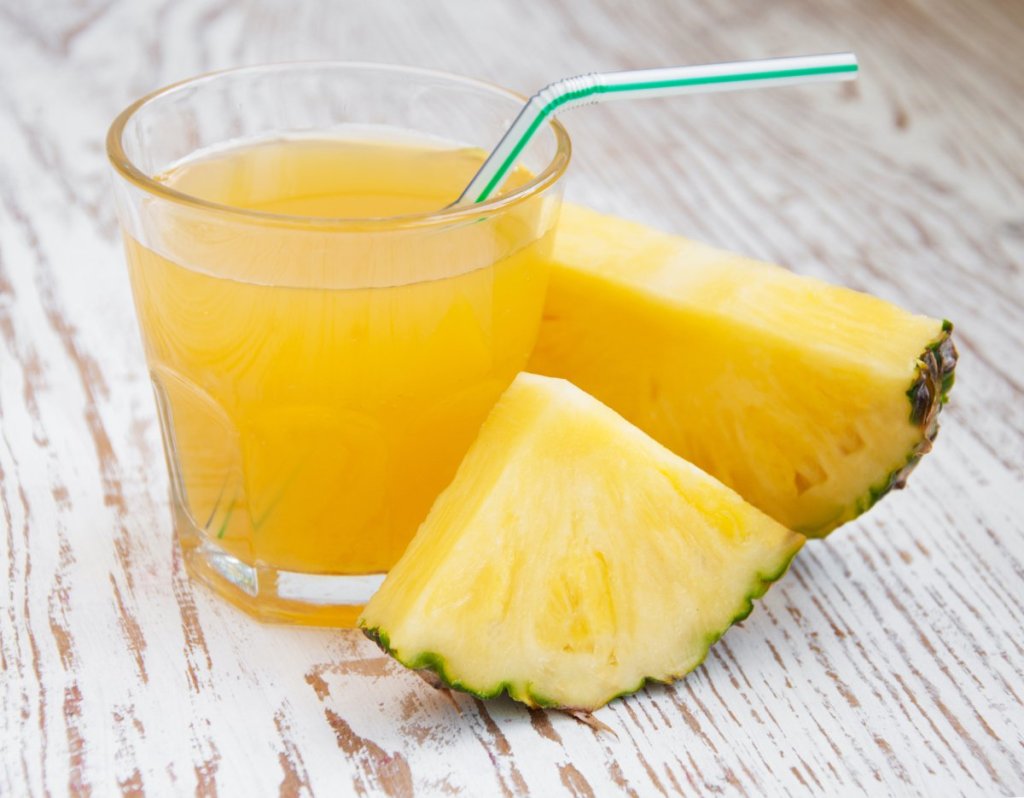
Can Pineapple Juice Help After Wisdom-Teeth Removal?
A science-backed guide from Hermitage Oral Surgery (Nashville, TN)
Why This Question Keeps Popping Up
TikTok videos showing patients downing a liter of pineapple juice before or after third-molar surgery have gone viral. The idea is that bromelain, a complex of proteolytic enzymes concentrated in pineapple, can tame the swelling, pain, and trismus that typically follow wisdom-teeth extraction. As oral surgeons practicing in Nashville, we are frequently asked whether “a bottle of Dole” can replace ice packs and ibuprofen. Below is a balanced review that pulls together the latest evidence, mechanisms, and practical advice—written for readability but grounded in peer-reviewed research.
Bromelain 101: How It Could Work
- Enzymatic anti-inflammatory action – Bromelain appears to down-regulate the cyclo-oxygenase pathway and bradykinin formation, both key drivers of postoperative inflammation.
- Fibrinolytic effect – By breaking down fibrin, bromelain may improve local micro-circulation, theoretically reducing edema.
- Analgesic synergy – Several studies report lower visual-analog pain scores when bromelain is co-administered with or used instead of NSAIDs.
- Immune modulation – Limited laboratory data suggest bromelain modulates cytokine profiles, although clinical relevance remains unclear.
What the Research Says
| Study | Design & Sample | Key Findings | Take-Home |
|---|---|---|---|
| Colletti et al., 2024 (Nutrients) | Randomized, three-arm, placebo-controlled trial, 42 patients | Freeze-dried pineapple extract and purified bromelain both lowered rescue-ibuprofen use and reduced facial swelling by Day 3 vs. placebo. No serious adverse events. | Evidence that pineapple-derived bromelain can meaningfully cut medication needs. |
| Mittal et al., 2023 (JCDR) | Split-mouth RCT, 20 patients | 500 mg oral bromelain outperformed 500 mg paracetamol for pain on Days 1–3 and swelling on Day 2. Trismus differences were not statistically significant. | Supports bromelain’s analgesic edge but shows limits on mouth-opening. |
| AlQahtani et al., 2023 | Systematic review of systematic reviews | Pooled data indicate moderate-quality evidence that bromelain reduces subjective pain and improves early quality-of-life scores; swelling/trismus effects less clear. | The overall literature trend is positive but not definitive. |
Bottom line: Recent peer-reviewed data lean in favor of bromelain’s pain-reducing capacity, with more modest and variable effects on swelling and jaw stiffness. Dosage, timing, and formulation (juice vs. standardized capsules) differ widely across studies, which makes direct comparisons tricky.
Pros of Using Pineapple Juice (or Bromelain Supplements)
- Natural adjunct to medication – May lower the need for prescription or OTC NSAIDs, limiting GI or renal side-effects.
- Accessible and economical – Pineapple juice is inexpensive and widely available.
- Patient satisfaction – Many patients appreciate “doing something proactive” for their recovery.
- Minimal drug interactions – Compared with NSAIDs or corticosteroids, bromelain has few documented interactions, though see cautions below.
Cons & Caveats
- High sugar and acidity – ~120 g of sugar per liter and pH < 4.0 may irritate healing tissues and affect blood sugar.
- Dose uncertainty – Most studies use 80–1,000 mg purified bromelain daily; juice offers only ~30 mg per cup.
- Bleeding risk – Bromelain may mildly inhibit platelets.
- Allergy potential – Avoid if allergic to pineapple or have latex-fruit syndrome.
- Masking complications – Juice may delay proper diagnosis of infection or dry socket.
Smart Use Guidelines from Oral Surgery in Hermitage
- Stick to cold, diluted juice – Mix 50/50 with water, sip slowly, and avoid swishing.
- Time it right – Start the night before surgery and stop after 48 hours post-op.
- Mind the dose – Consider a 500 mg capsule (if approved by your surgeon) instead of excessive juice.
- Maintain core post-op care – Ice, medication, soft foods, saltwater rinses still apply.
- Watch for warning signs – Persistent pain, odor, or bleeding after Day 3 requires evaluation.
Frequently Asked Questions
- Q1. How strong is the current evidence?
- A: Small-to-moderate RCTs and reviews suggest benefits for pain and some swelling, but large trials are needed.
- Q2. Are the benefits specific to juice, or do capsules work better?
- A: Capsules are more consistent and avoid sugar. Juice has additional nutrients but unpredictable dosing.
- Q3. Could drinking pineapple juice be dangerous?
- A: It’s generally safe in moderation, but avoid if diabetic, allergic, or on anticoagulants. Acidity may sting wounds.
- Q4. Does pineapple juice replace my prescribed meds?
- A: No. Use it as a complementary aid—never a substitute.
- Q5. What if I hate pineapple?
- A: Stick to proven basics—bromelain is optional, not essential.
Key Takeaways for Patients
- Scientific evidence for pineapple juice reducing post-op symptoms is limited.
- Bromelain shows potential for easing pain, with mixed effects on swelling/trismus.
- Juice contains far less bromelain than what’s used in studies; supplements are more reliable.
- Sugar, acidity, and potential risks mean juice use should be limited and smart.
- Always check with your oral surgeon before adding supplements to your recovery plan.
Comments are closed.